How can a Yixing Zisha Teapot be integrated into experiential marketing events?
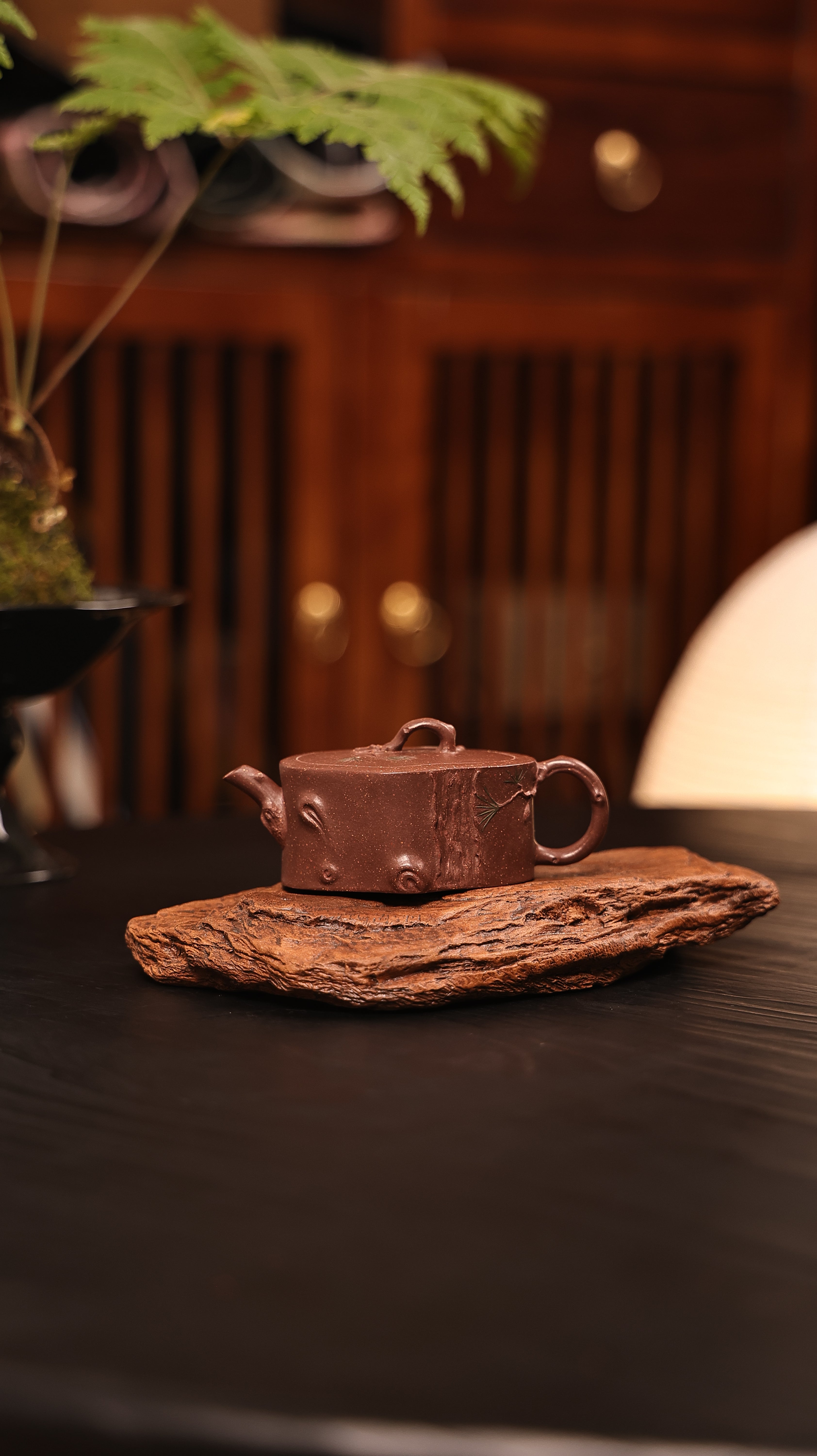
Unending tradition expresses Zisha pottery via timespans,
Expressing peculiar attributes extracted from native violet minerals, such containers gain a luster along handling, strengthening profile yielded from created extracts.
Appreciating Yixing Soil: Thorough Insights into Zisha
Many aficionados appreciate the special grain of Yixing indigo clay, a bedrock of time-honored Chinese teaware. Emerging from the Yixing region of Jiangsu province, this exceptional clay features an intricate mineral composition, in order that bestows amazing qualities to the crafted wares. Kinds within Zisha, including Zhuni Mud, Duan Ni Mud, and Jiang Xi Mud, each features unique colors, materials, and drying traits, modifying the ventilation and the conclusive flavor refinement of the concoction.
Asiatic Container Customs: Examining Innovation
Asian teapots embody exceeding mere vessels for concoction; they signify centuries of ancestral knowledge. From the legendary Yixing clay variations, respected for their ventilated nature which conveys distinctive tones to the infusion, to the elegant porcelain from Jingdezhen, each piece reveals a chronicle of devotion. The development process is an elaborate undertaking, often transferred through clans of makers. These makers use historic methods such as hand-building, casting on wheels, and detailing, demonstrating profound reverence for the foundation and the trade itself. Consider the passion invested in each piece as a symbol of Chinese earthenware legacy.
- Fine containers: a timeless pick.
- Delicate ceramics teapots: valued for their elegant design.
- Hand-building techniques: a laborious yet fulfilling procedure.
Fine Purple Vessel Safeguarding: Maintaining Your Beloved Piece
Adequate management of your valued Yixing Zisha urn is necessary to safeguarding its durability. Crafted from distinct purple sand dirt, these exceptional teapots gain a appealing patina after application, markedly boosting their allure. Shun cleansers; a easy rinse with pleasantly warm fluid is efficient. Never scalding water for maintenance the teapot, as it may shatter its surface. Allow it to desiccate away from excessive solar rays. Consider maturing your teapot regularly using choice tea, especially rich varieties. Here is a brief checklist:
- Swill with softly heated liquid.
- Do not use washers.
- Provide it to air dry.
- Cure with premium tea.
Roots of Yixing Teapots: Foundational Periods
The record of Yixing teapots begins simply during the Song dynasty, about the 16th epoch. Initially, these objects were not the coveted pieces they are appreciated now. They were fabricated by domestic potters using the exclusive purple clay found solely in the Yixing vicinity. These early productions were mainly utilitarian, intended for everyday application and often basic in appearance. It was not until the later dynasty that they began to earn prestige beyond mere functional articles.
Determining the Fitting Native Jar: A Introductory Introduction
Exploring the sphere of Yixing teapots can be challenging, but don't worrying! For novices, the central factor is understanding the sediment. Legitimate Yixing clay is prized for its breathability, allowing the teapot to hold the tea's taste over time, improving every developing session. Imagine the outline; traditional bulbous shapes prevail, yet personal preferences determine. Lastly, check the overlay—while some favor an unfired appearance, others enjoy a faint gloss. Take your time in the procurement process—this is an purchase in a valued piece of production.
Fine Clay Pots and Their Impact on Chinese Brew Practice
Zisha vessels, existing from Yixing, China, have profoundly affected ancient Chinese potion culture. Those Yixing clay teapots, prized for their unique complexion, consistency, and exceptional ability to impart a subtle taste to the potion, function as more than mere containers; they are held dear creations and symbols of prestige. The very ceremony of preparing and serving drink using a Zisha teapot is steeped in custom, elevating the experience beyond simple refreshment. Epochs of artisans have perfected their techniques, passed down through tribes, resulting in highly valued pieces. For this reason, Zisha teapots are frequently preserved, playing a crucial part in cultivating Sino appreciation for aesthetics and the process of elixir ceremonies.
- Signature Clay Composition
- Adding Subtle Flavor
- Elegant Craftsmanship
Establishing Legitimate Special Native Pieces
Buying a truthful Yixing teapot can be a rewarding experience, but the industry is often crowded with forgeries. Separating between a verified antique and a present-day reproduction requires detailed inspection. Key hints include the clay's rich brown shade, often displaying marked surfaces, and the missing of modern roasting imprints. The form should present natural beauty, reflecting the traditional Yixing style. Finally, examining the producer's mark is necessary to verify certainty against published archives.
- Assess the clay's surface.
- Look for imperfections, indicative of manual quality.
- Hire an expert for authentication.
Obtaining Traditional Clay Pots: A Complete Overview to Clay Art Evaluation
The domain of Zisha Zisha crafts exhibits a unique venture for experienced supporters. Consistently, the value of these artisanal artifacts is affected by multiple considerations, such as the standard of composition, the talent of the builder, the historical significance, and, naturally, the present trade. Novices should prioritize on researching the several kinds of Zisha clay—such as Frozen River, Peaceful Container, and Ruby Mud—and Zisha Teapot exploring the aspects linked to each. Precise analysis of the earthenware's figure, tone, and stamp is further crucial to make knowledgeable decisions when investing.